The Environmental Impact of Hydroseeding: A Greener Approach to Lawn Care Jul 16, 2026
Hydroseeding is a method of applying grass seed, mulch, and fertilizer in a slurry mix to large areas, providing an efficient solution for turf establishment. But its benefits reach far beyond simple efficiency. Unlike traditional sod laying or dry seeding, hydroseeding has a significantly lower carbon footprint due to its minimal disturbance of the soil. This contributes not only to a healthier lawn but also to a healthier environment.
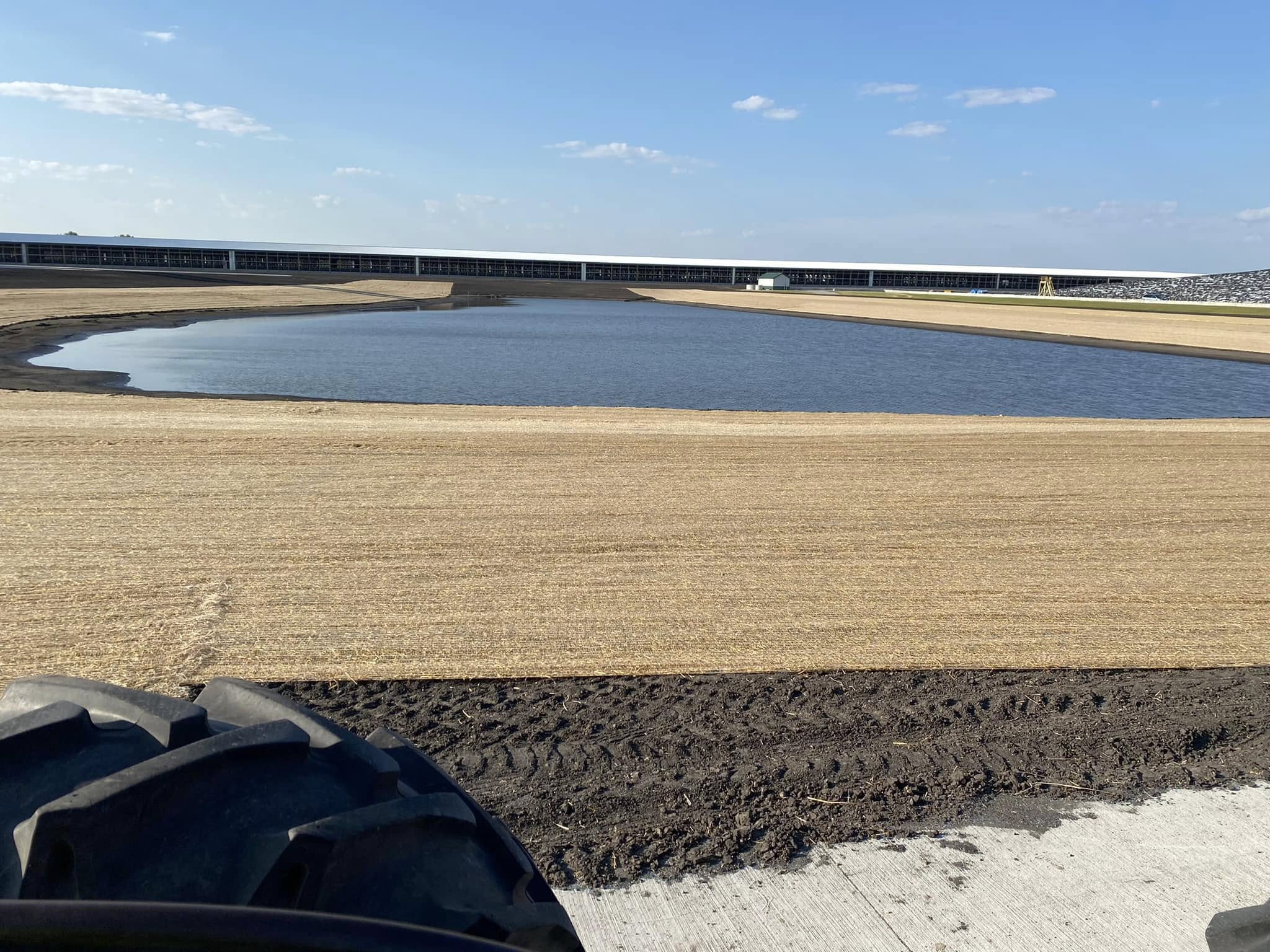
One of the primary environmental benefits of hydroseeding is erosion control. When land is cleared or disturbed, soil erosion can become a major issue, leading to sediment runoff that can contaminate waterways and damage ecosystems. Hydroseeding mitigates this problem by quickly stabilizing the soil with a protective layer of vegetation. Within just a few weeks, a hydroseeded lawn begins to take root, reducing the need for ongoing intervention and promoting sustainable land management.
Furthermore, the components of the hydroseeding mixture are often organic and biodegradable. Mulches used in hydroseeding are usually made from recycled paper or wood fibers, which naturally decompose over time, nourishing the growing grass and reducing waste. This process eliminates the need for chemical-laden fertilizers, promoting a healthier ecosystem by keeping harmful substances out of the soil and water sources.
Another important consideration is the water usage associated with lawn care. Traditional sod installations require continuous watering to ensure proper rooting, often leading to excessive water waste. In contrast, hydroseeding uses moisture-retaining mulches that help conserve water. Once the seed slurry is applied, the mulch acts as a protective cover, retaining moisture within the soil and reducing the need for frequent irrigation. This not only enhances the efficiency of water usage but also keeps the lawn lush and vibrant with less environmental impact.
Hydroseeding also contributes to a decrease in air pollution. Conventional lawn care practices, which frequently involve gasoline-powered equipment, contribute to carbon emissions. The need for these machines is significantly reduced with hydroseeding, as vegetation grows naturally and requires less maintenance in its early stages. As a result, homeowners and businesses alike benefit from a greener lawn that’s both aesthetically pleasing and environmentally responsible.
For the eco-conscious customer of Van Ort Turf & Erosion, hydroseeding presents an exciting opportunity to cultivate beautiful, sustainable landscapes. By choosing hydroseeding services, you are not only ensuring a greener, more efficient approach to lawn care but also supporting a method that values the health of our environment.
In conclusion, the environmental impact of hydroseeding makes it a compelling choice for anyone looking to maintain a beautiful lawn while committing to eco-friendly practices. By nurturing the earth with sustainable techniques, we can create a healthier planet for generations to come. Whether you're managing a small garden or extensive commercial properties, consider the environmental benefits of hydroseeding as your front-line strategy for greener lawn care.