5 Essential Tips for Successful Erosion Control in Your Garden May 15, 2026
Firstly, it's crucial to assess the vulnerabilities specific to your garden. Begin by identifying areas prone to water runoff, which can exacerbate soil erosion. Observe how water flows during a rainstorm or when irrigating your garden, and determine slopes that may need extra attention. Understanding these factors allows you to implement targeted interventions that mitigate potential erosion.
Adding vegetation is one of the most effective methods for erosion control. Plant roots naturally stabilize the soil, reducing its susceptibility to being washed away. Consider incorporating a diverse range of native plants adapted to your local climate. These plants will not only help manage erosion but also enhance biodiversity and appeal. For steeper areas, ground covers or ornamental grasses can be particularly effective in anchoring the soil.
Terracing and creating retaining walls are physical methods that provide stability to sloped gardens. Terraces can transform a steep incline into a series of manageable flat areas, reducing runoff speed and giving rainwater time to absorb into the soil. Retaining walls, made from materials like stone or wood, add a structural element that holds back soil and prevents erosion. When designing these elements, consult with professionals such as Van Ort Turf & Erosion to ensure they are structurally sound and appropriate for your garden's unique requirements.
Managing water flow with well-planned drainage solutions is another vital aspect of erosion control. Implementing systems such as French drains, swales, or rain gardens can efficiently direct excess water away from erosion-prone areas. These systems work by slowing down the flow of water and allowing it to penetrate the soil gently. This not only prevents erosion but also enhances soil moisture levels, promoting healthy plant growth.
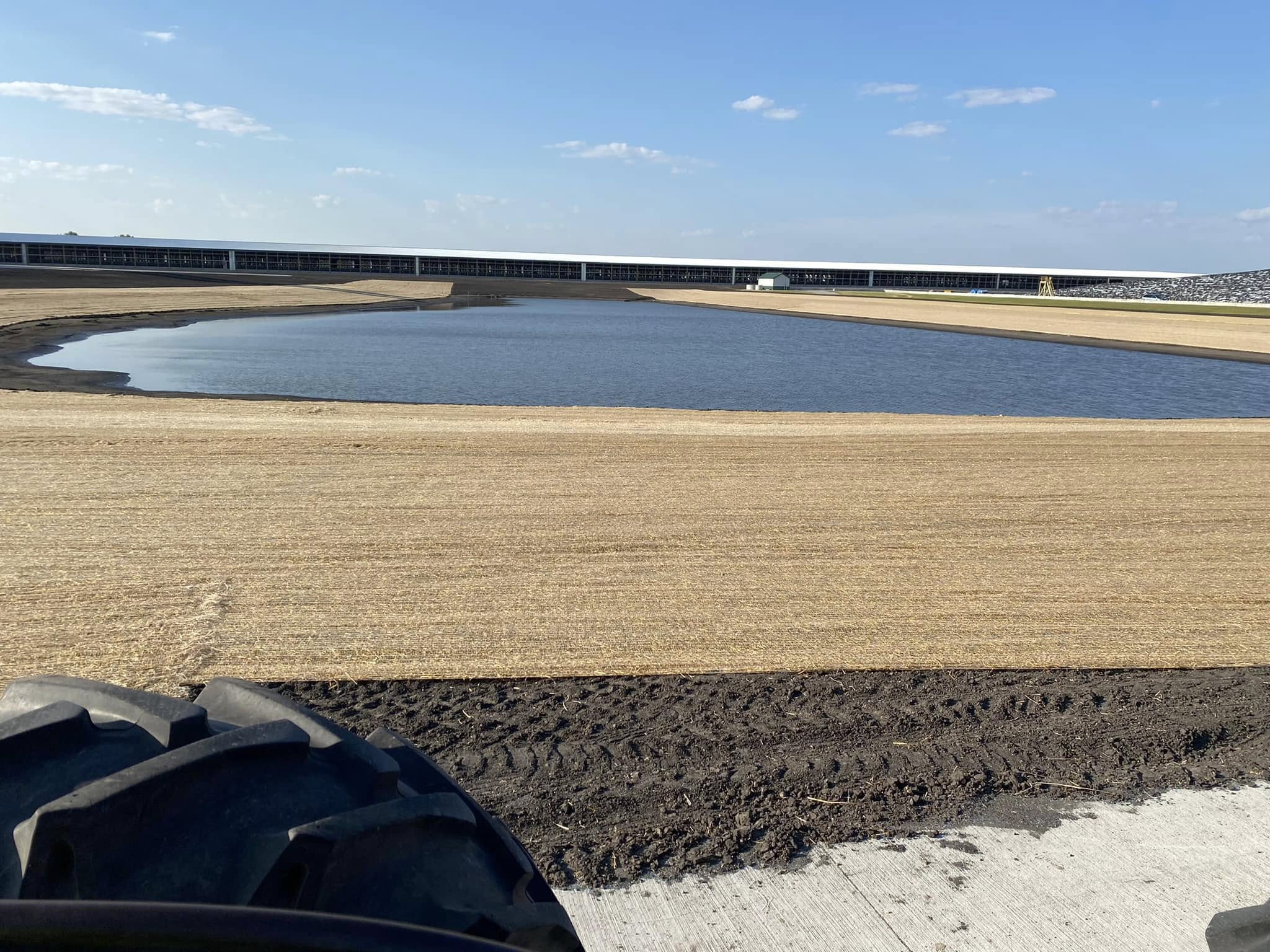
Lastly, consider using mulch to protect exposed soil from erosion. Not only does mulch help retain soil moisture and regulate temperature, but it also acts as a protective layer against the forces of water and wind. Organic mulches, such as wood chips or straw, are particularly beneficial as they decompose, enriching the soil over time. Apply a generous layer, ensuring the soil is not visible, and replace it as needed to maintain its protective qualities.
In conclusion, effective erosion control requires a combination of strategies tailored to your specific garden conditions. By assessing the landscape, utilizing vegetation, incorporating structural elements, managing water flow, and using mulch, you can safeguard your garden against the damaging effects of erosion. These practices not only enhance the stability and health of your landscape but also contribute to its overall beauty and sustainability. At Van Ort Turf & Erosion, we're committed to providing expert guidance and services to help you maintain a thriving, erosion-free garden. Contact us today to learn more about our hydroseeding services and how we can support your erosion control efforts.